Sensory anchors are dense and bodily across multiple paragraphs — 'a heron standing stock still in the reeds, a dragonfly skimming the water, a turtle that had somehow gotten onto the path' — and informational anchors (Professor M.'s work on civic terrain, the named studio, the derelict park in Queens, the two-meter path shift over a creek) are so precise that the reader inhabits both the writer's childhood world and their current intellectual one simultaneously.
'I want a roomful of people to argue with me about that two meters' is the kind of sentence an AO would read aloud to a colleague — the organizing image of a two-meter path adjustment as the vehicle for an entire intellectual identity is a move no other applicant would land on.
'It was also where a grandmother and grandson wanted to spend their mornings' renders the inherited ritual without explaining the love, and the admission that 'most of my design thinking happens alone' names a real limitation without self-pity — both modes land, though the emotion doesn't quite linger at the next-day level.
Register holds from the sensory opening through the intellectual middle to the quiet close; no paragraph reads as counseling-edited, and the shift from narrative to analytical to aspirational is the same writer moving through modes, not a different hand.
The essay doesn't just name Professor M.'s research direction, the three-dimensional design sequence, and the named studio — it shows the writer engaging the prompt as a genuine intellectual question about why this school, not a task to complete, by tracing how the school's specific offerings would correct a named gap (designing alone) in a way few applicants reach.
Every paragraph is structurally distinct and load-bearing — the wetland memory, the engineering reveal, the architectural realization, the critique of American parks, the school pivot, the professor anchor, the studio anchor, the closing aspiration — and the one-sentence paragraph 'That is why I am applying to Parsons' is a deliberate structural hinge that earns its isolation.
The claim that the writer thinks in spatial terms is earned by the Queens park notebook and the two-meter path sketch; the claim about designing alone is earned by the contrast with the studio culture paragraph; no significant claim is left unsubstantiated, though the closing aspiration is stated rather than shown.
'Landscapes that solve problems most visitors never notice, while giving them reasons to stop every few steps anyway' closes the loop on the wetland's dual role, the grandmother's herons, and the writer's intellectual goal in a single sentence that earns an exhale — the closing line is the kind an AO reads aloud.
The essay reads American parks against the grain — 'sites to pass through instead of systems that engage with life in a city' — and the continuity arc (the wetland was already teaching the lesson; the school would let the writer articulate it with others) is non-default and lands cleanly.









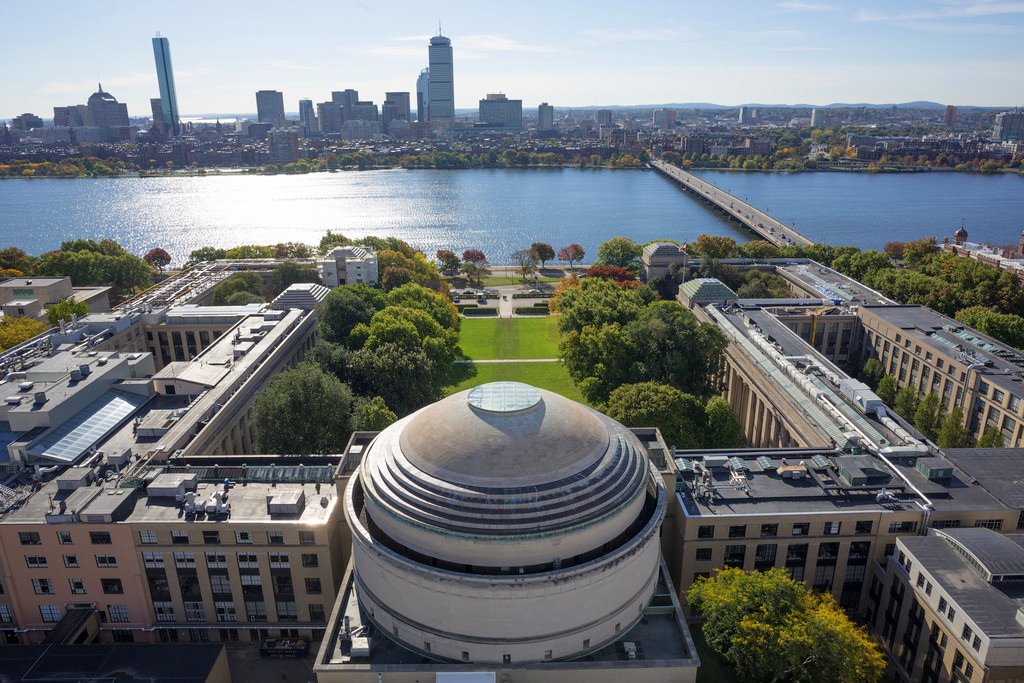 Reach11%
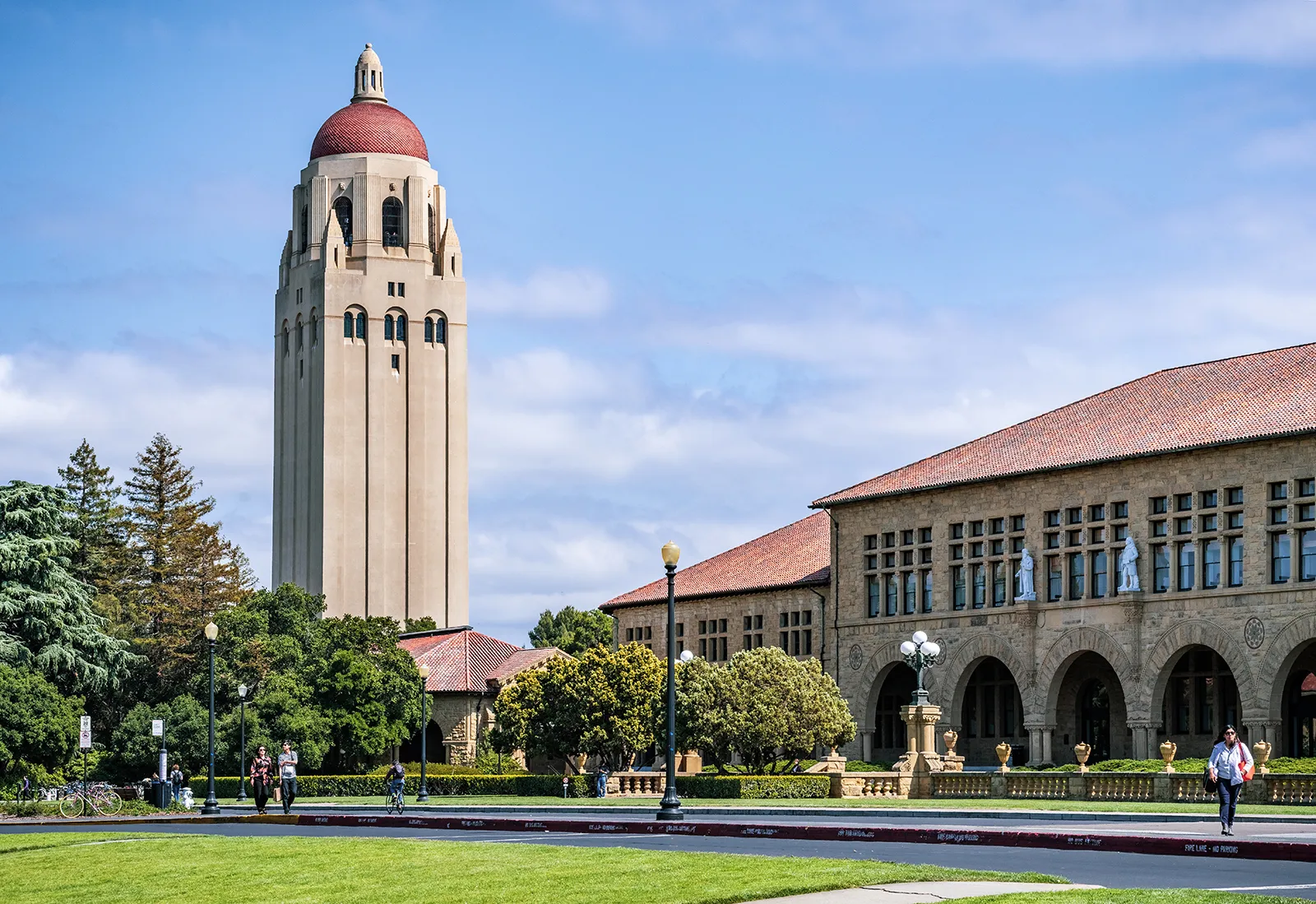 Reach9%
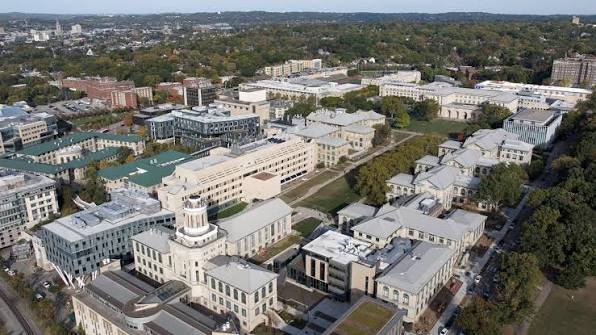 Reach14%
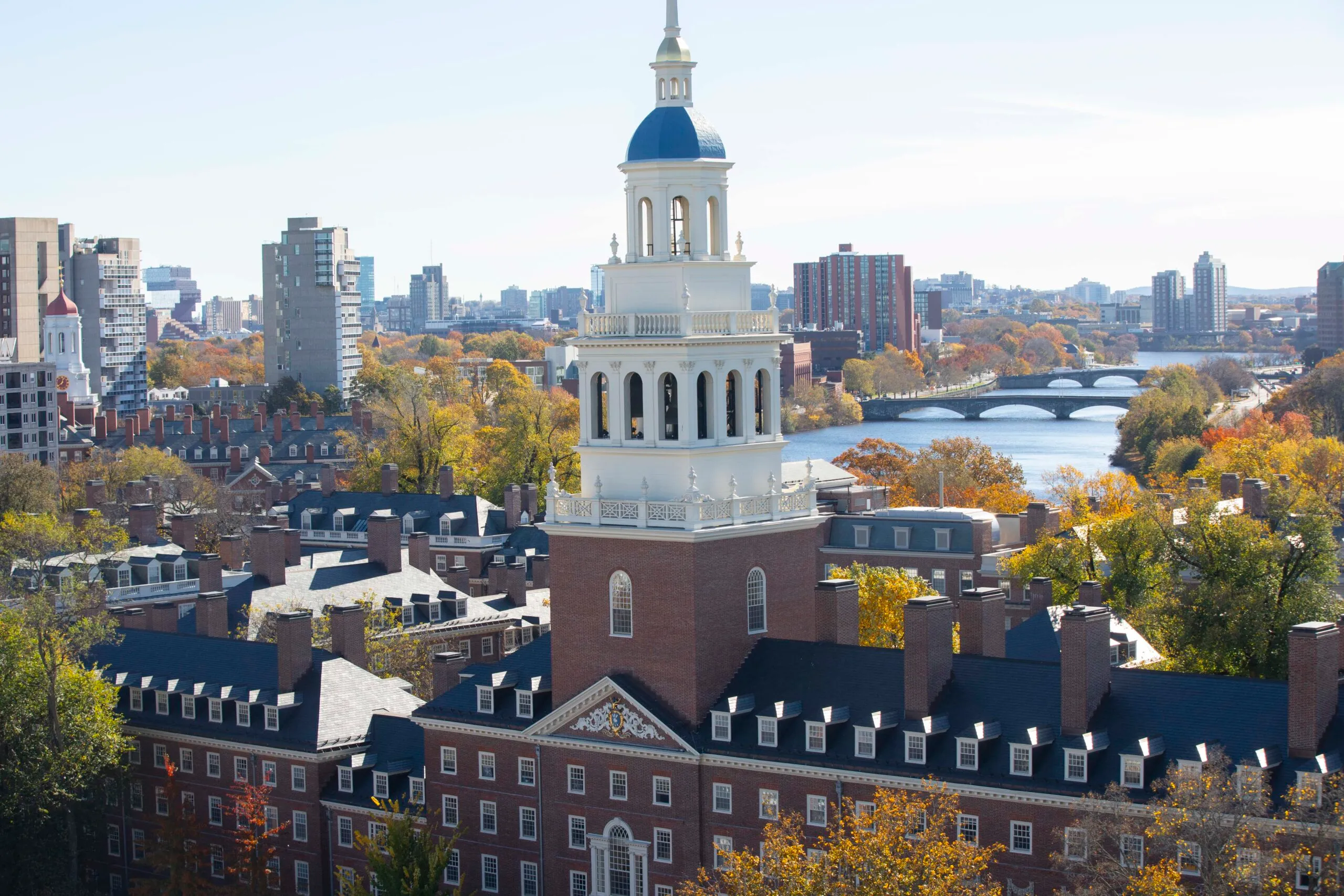 Reach8%
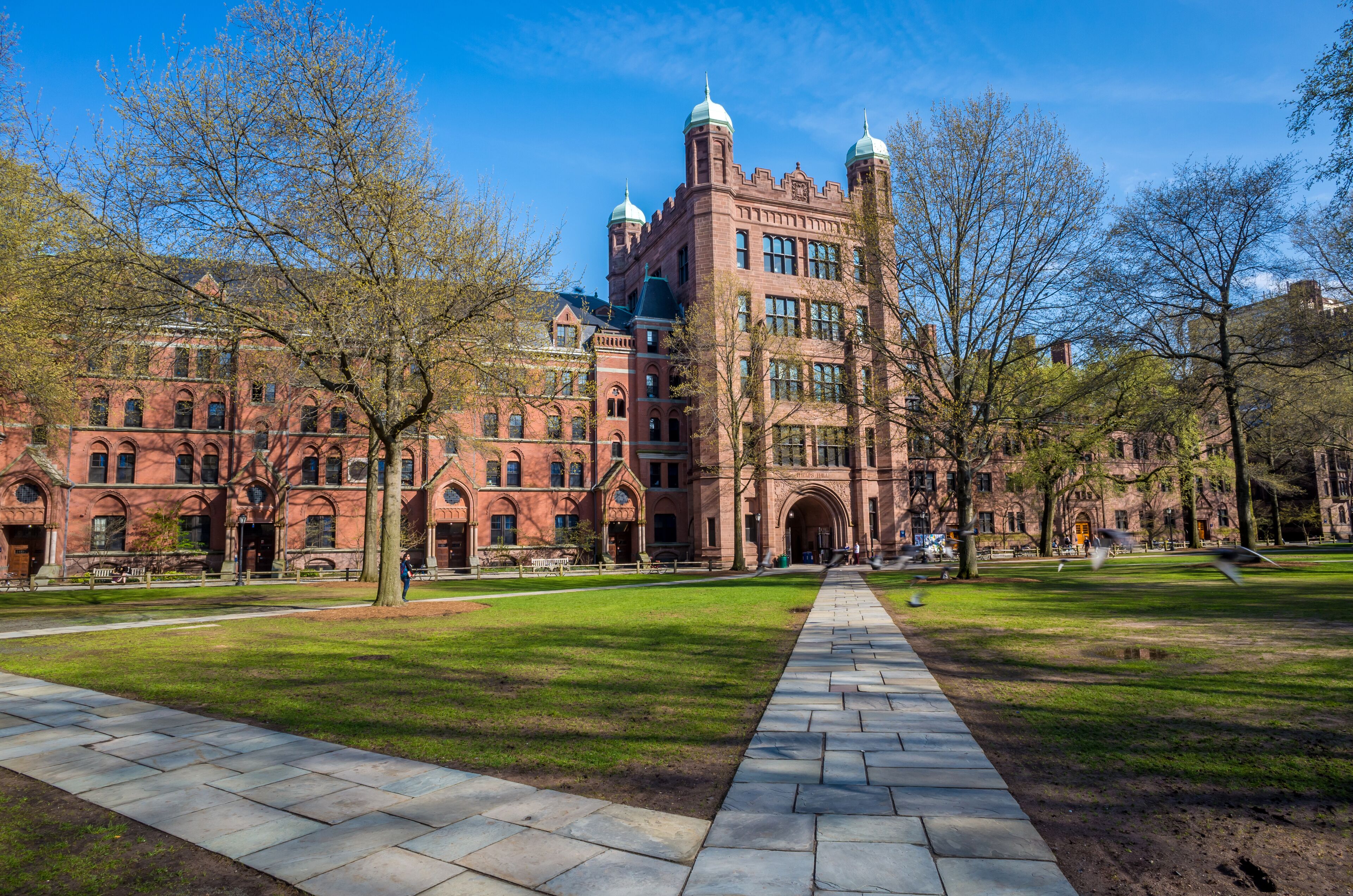 Reach10%
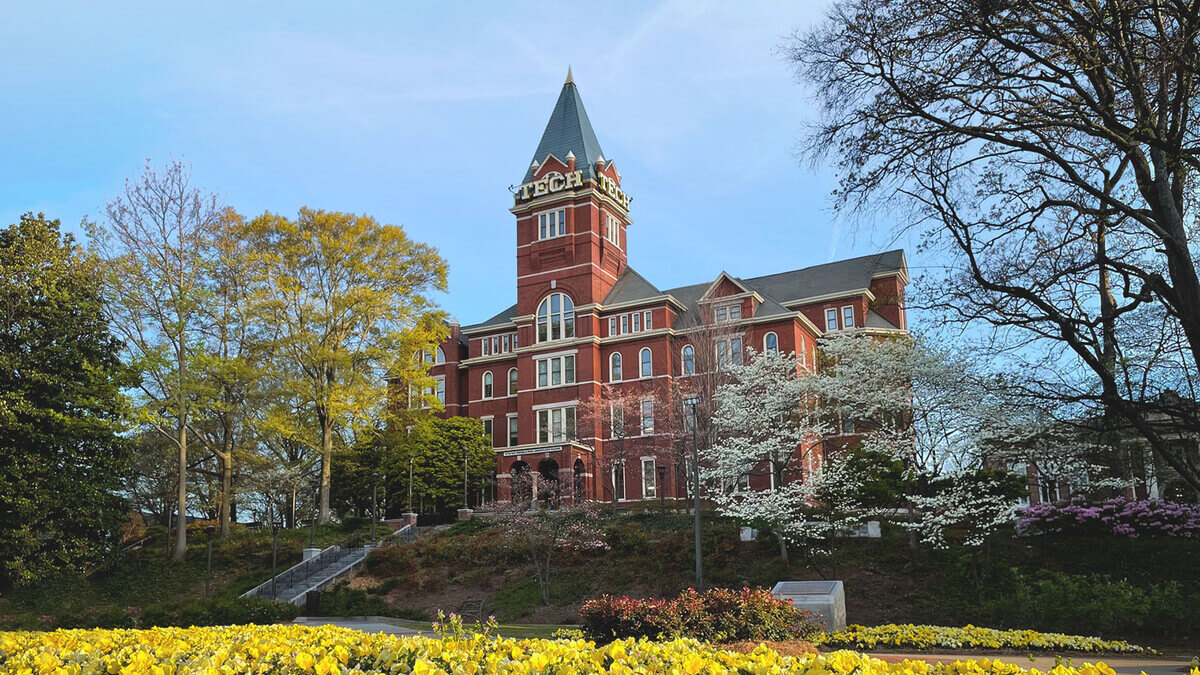 Match34%
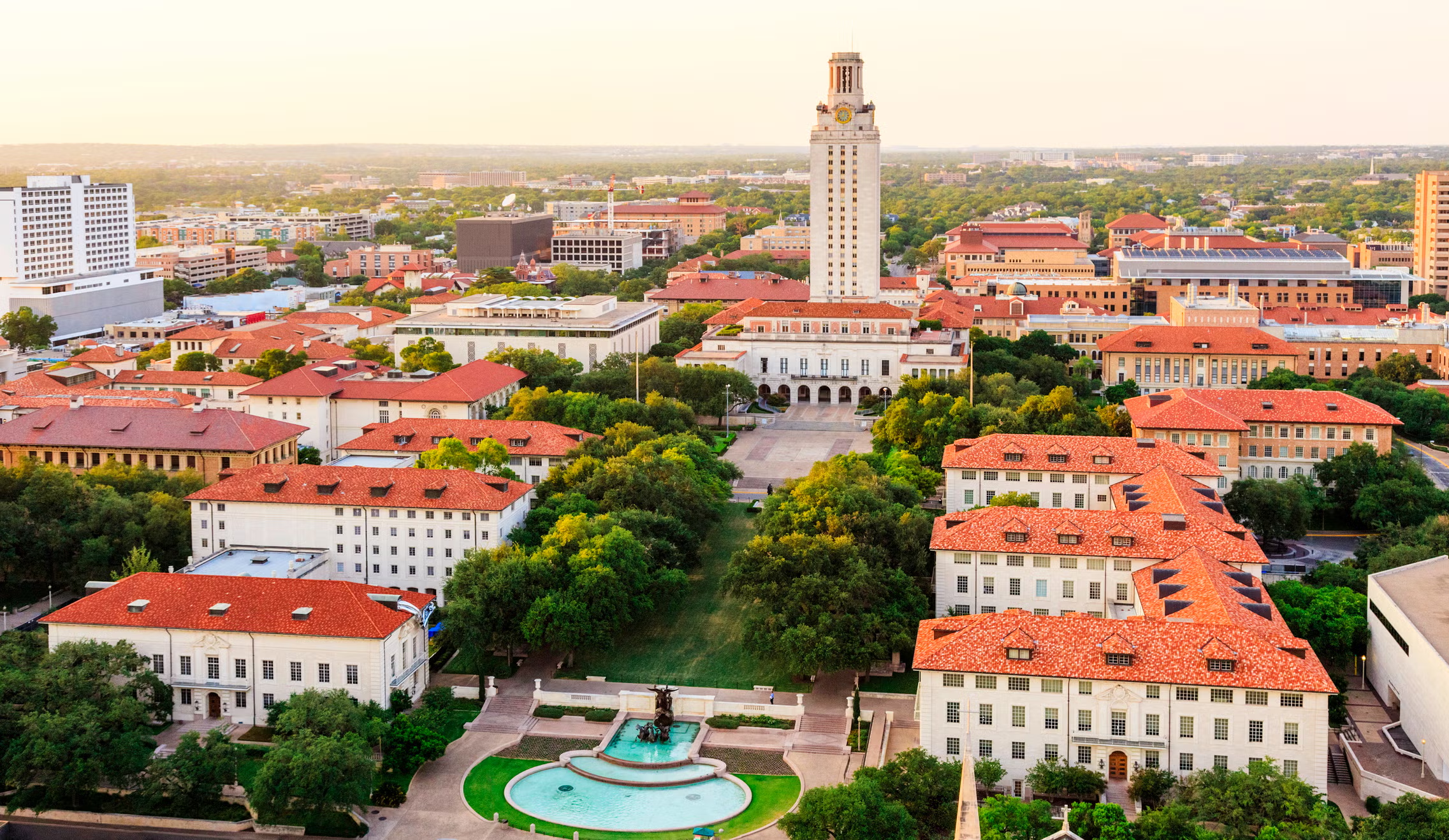 Match22%
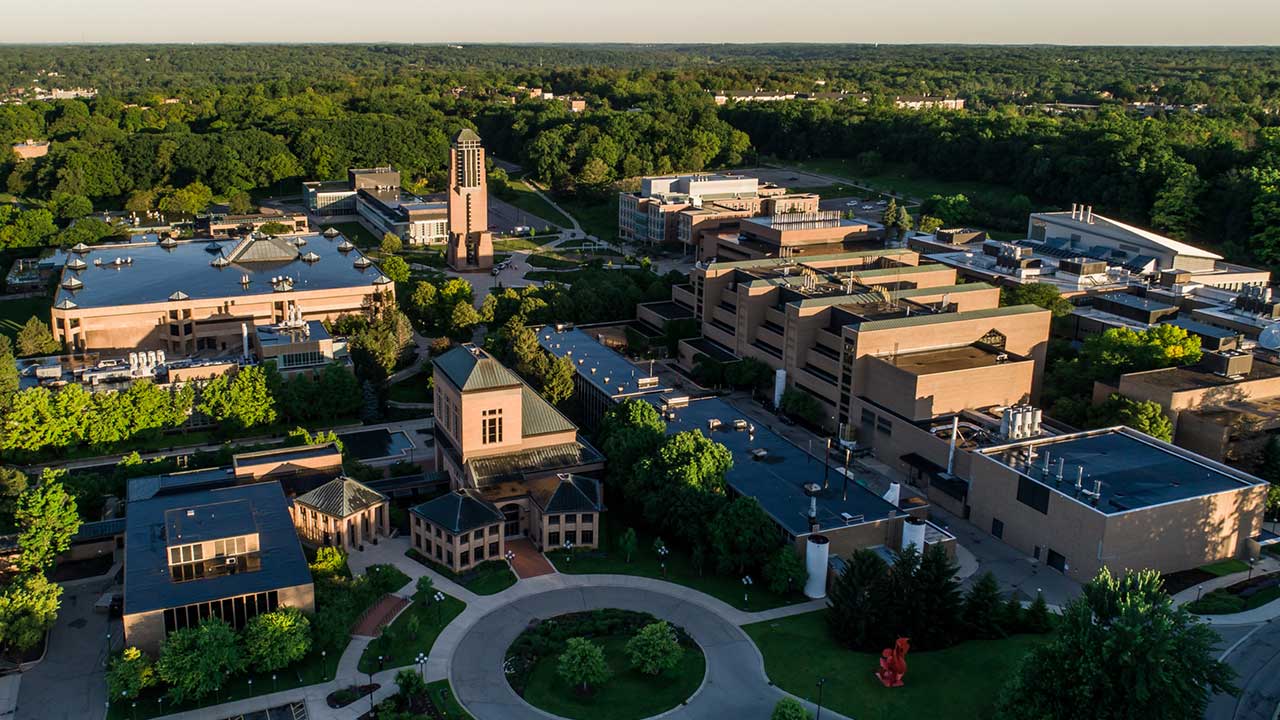 Match29%
 Match32%
 Likely58%
 Likely52%
 Likely61%